
Understanding EEOICPA Home Health Care Benefits

The EEOICPA program provides medical benefits and compensation for qualifying workers affected by exposure-related illnesses connected to the nuclear weapons industry.
Approved patients may qualify for skilled in-home health care services at no out-of-pocket cost.

About the Program
What is the EEOICPA Program?
The Energy Employees Occupational Illness Compensation Program Act (EEOICPA) provides compensation and medical benefits to workers who developed illnesses related to exposure while working in the nuclear weapons industry.
The Division of Energy Employees Occupational Illness Compensation (DEEOIC) administers benefits for approved conditions and related healthcare services.
Approved conditions may include illnesses related to radiation, beryllium, silica, and other toxic substance exposures connected to covered employment.
Who Qualifies
Covered Workers and Eligible Survivors
Coverage may apply to eligible Department of Energy workers, contractors, subcontractors, nuclear industry workers, and eligible survivors.


DOE / AWE Workers

Contractors

Nuclear Industry Workers

Eligible Survivors
Coverage Details
Home Health Care Services Covered Under EEOICPA
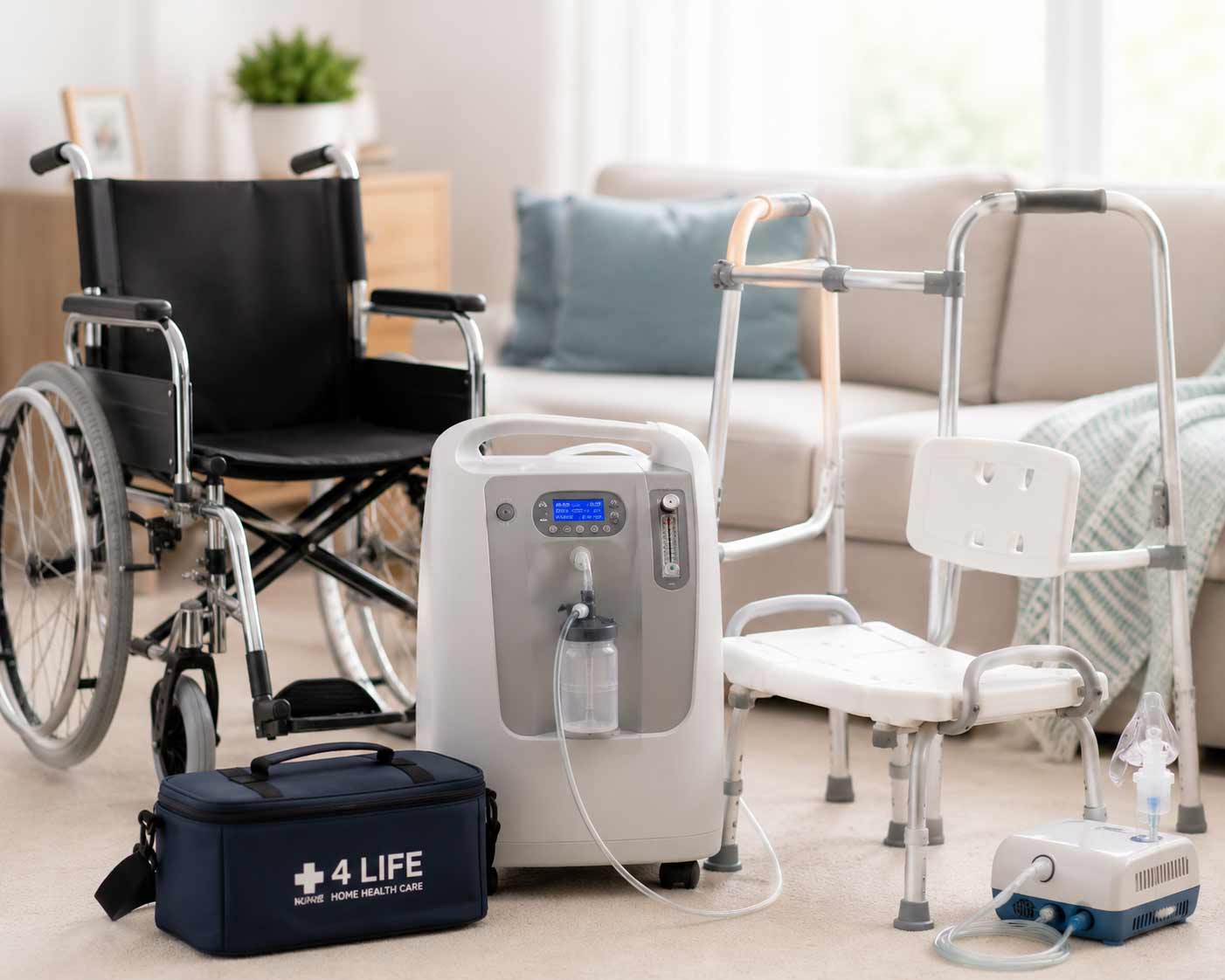
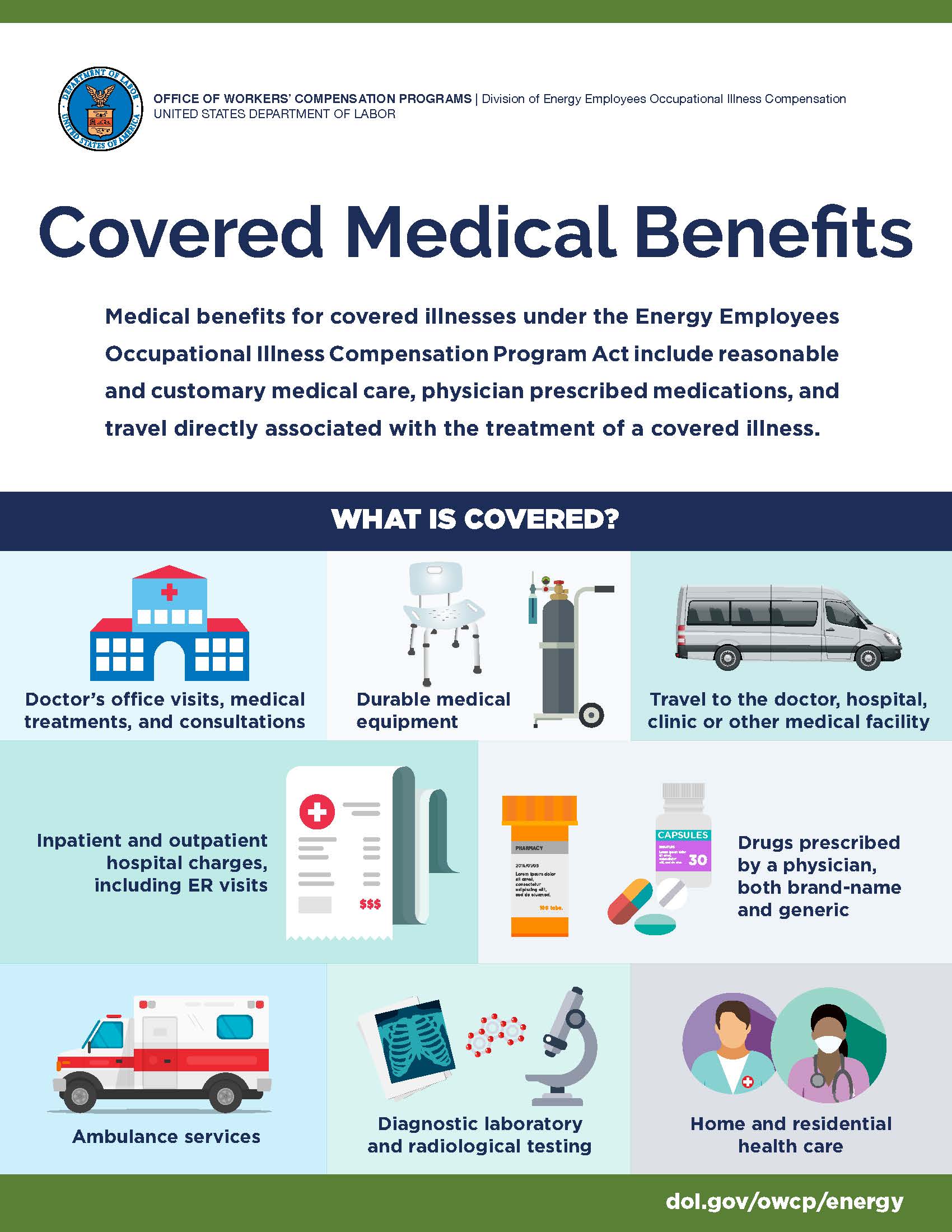
Approved patients may receive skilled nursing care, Home Health Aid and PCA services, therapies, medical equipment, and ongoing home healthcare support.




Getting Started
Simple Steps to Begin Receiving Care
Our team helps guide patients and families through the approval process to coordinate personalized in-home health care services related to approved EEOICPA conditions.